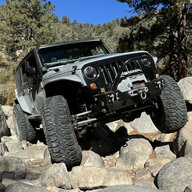
8HP70 Trans Cooler Fittings
The ZF transmission can be found behind Ram trucks, as well as Jeep/Dodge SUVs and many cars. For Hemi swaps into a JK, most will use a Ram 4x4 transmission because they're typically more plentiful and cheaper, though a SUV-sourced ZF can be used. Note that if you use a SUV-sourced ZF trans, you'll need to change out the tail shaft housing, as your JKU t-case will not mount up or be clocked properly. You can see the differences below fairly easily:
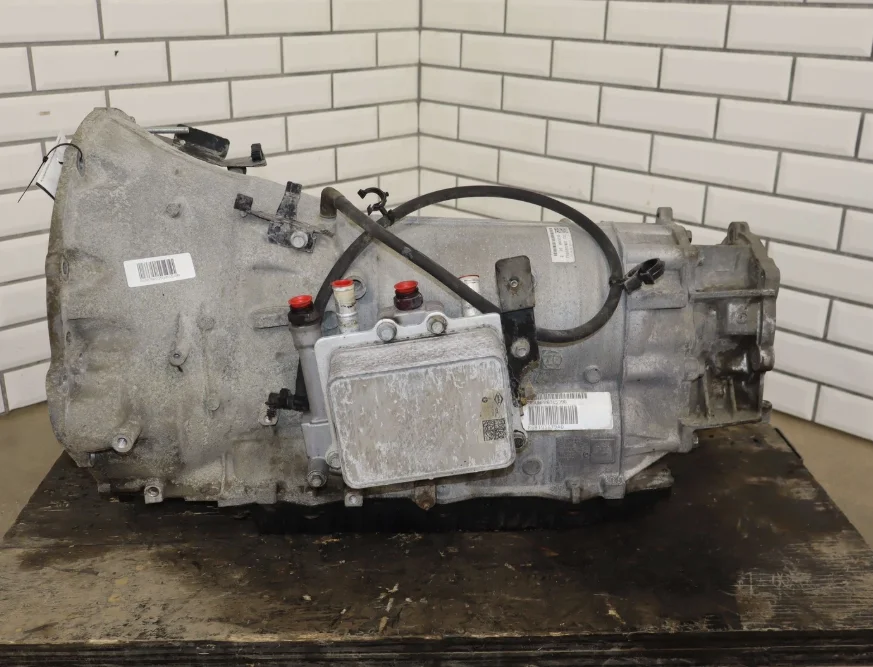
[2017 Ram 5.7L 1500 4x4 ZF Transmission]
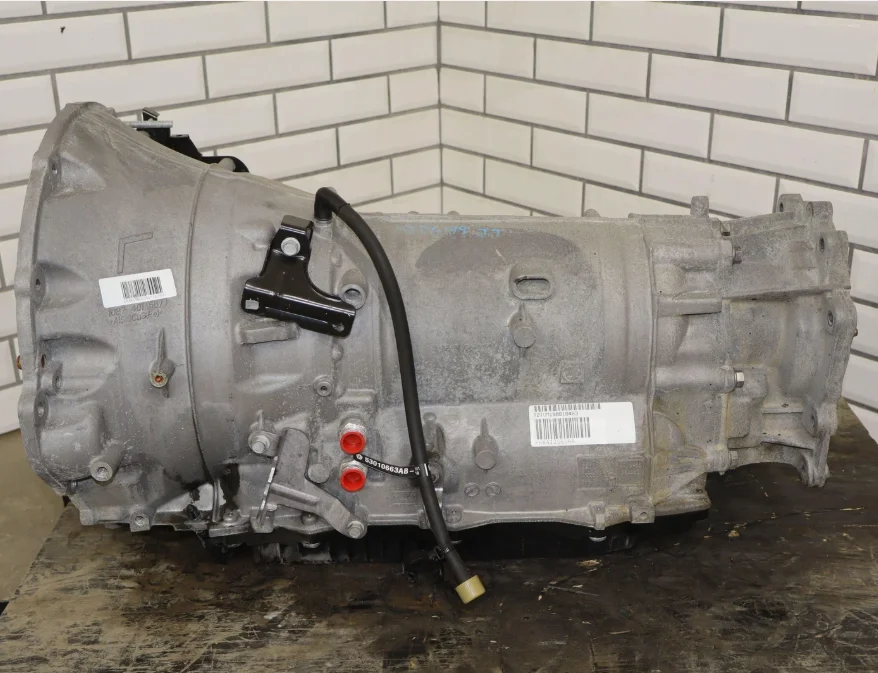
[2018 Durango 5.7L ZF 4x4 Transmission]
Another difference you may have noticed in the above photos is the presence of a large transmission fluid cooler bolted to the side of the Ram transmission, whereas the Durango transmission just has red plugs over the ports. More on this later...
As you start looking for viable swap candidates, you'll likely be happy to find that there are many ZF transmissions available. You may see a "transmission code" on the part description, especially if you're buying from a parts recycler like LKQ. The two codes you'll see are "OPT DFD" and "OPT DFK". There is no different between the DFD or DFK transmission codes. The codes from the build sheet are used to ensure that the ECM gets the proper calibration: DFK codes are used with 3.21 rear axle ratios, and DFD codes are used with 3.92 rear axle ratios. That's it - there are no differences with the transmission internals or externals - use whichever one you can find!
Here's a shot of my 8HP70, sourced from LKQ, taken from a 2019 Ram 1500 Classic. The tag showed "Grade A" and ~27,000 miles and it included the OEM torque converter. Total cost was $500...
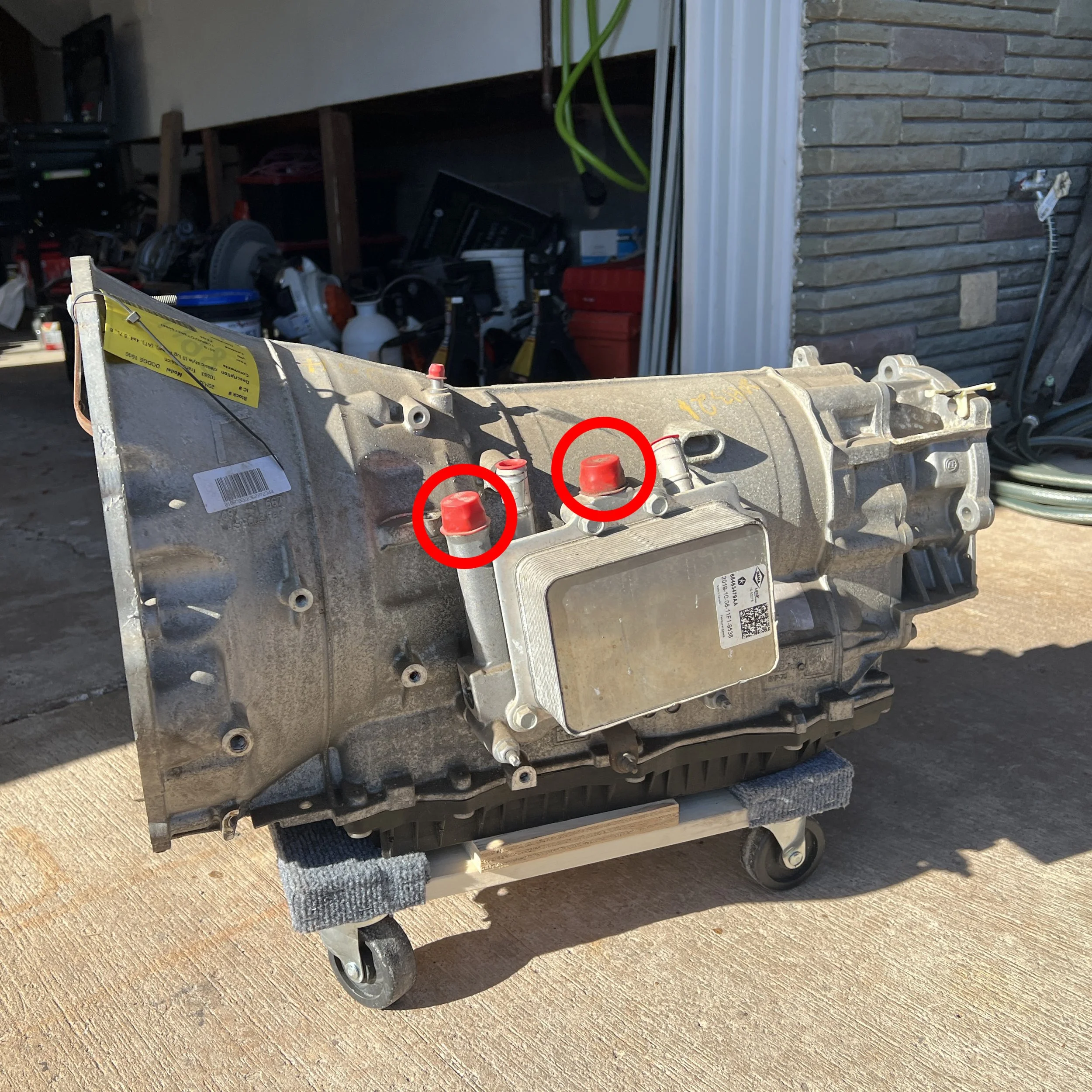
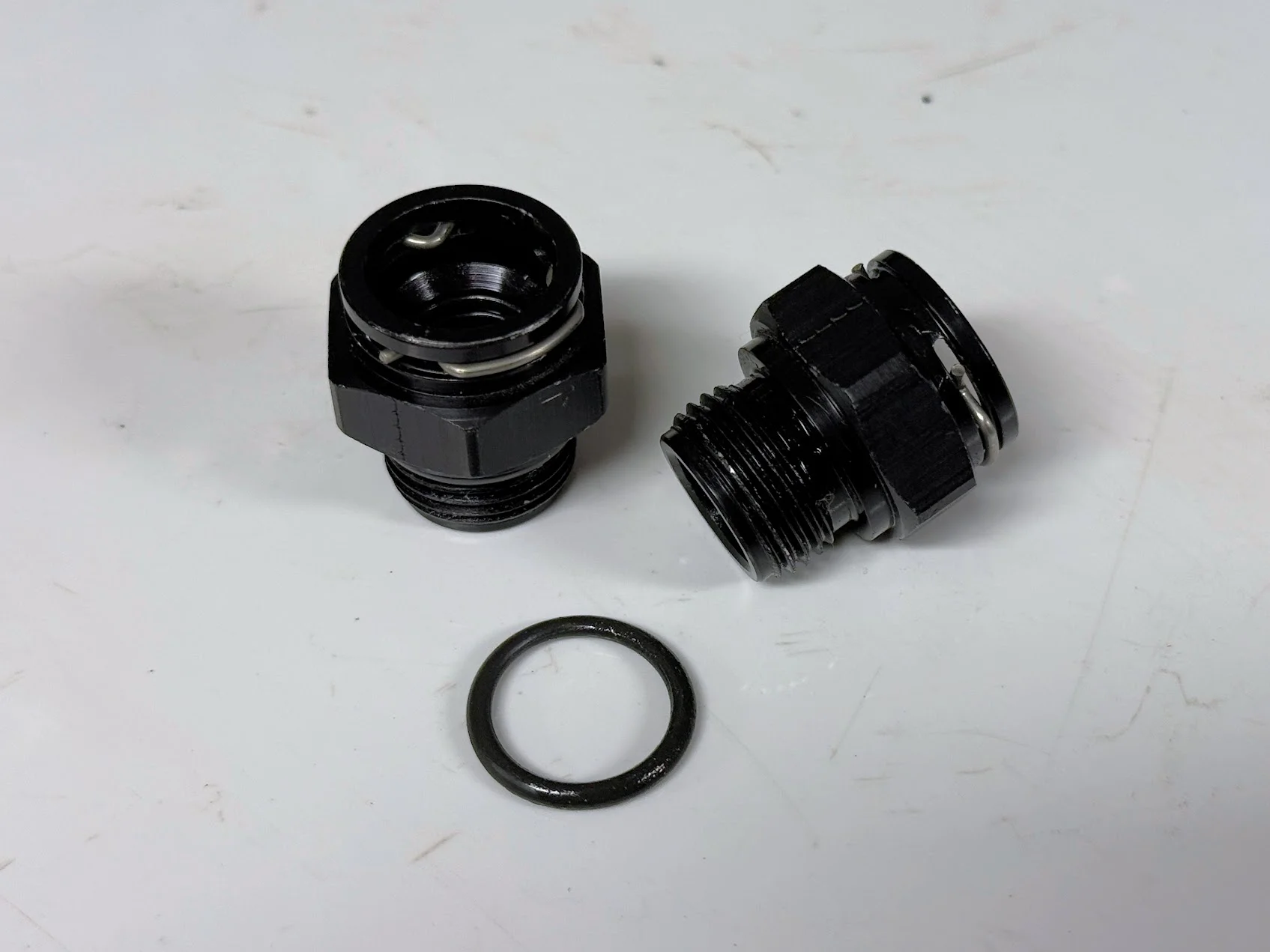
You'll notice two red circles in the above photo. Inside those circles are two red caps. Those red dust caps are covering the factory transmission cooler line "quick type connectors" (Mopar Part# 68489743AA). You will not be using the Ram-style transmission cooler, but you'll need to remove these from the cooler and save them. Removed and cleaned off, they look like this:
The OEM Ram cooler is mounted to the ZF transmission with bolts and some rubber plugs. It's a clever design, though unfortunately does not work with the JK Hemi swap because it would get hit by the front driveshaft. As you can see below, the ports are smooth, meant to be used with the expanding rubber plugs between it and the Ram transmission cooler. Jeep and Dodge SUVs on the other hand come with ZF transmissions that are already tapped and use the same fittings as Ram cooler, but they are threaded into the transmission instead.
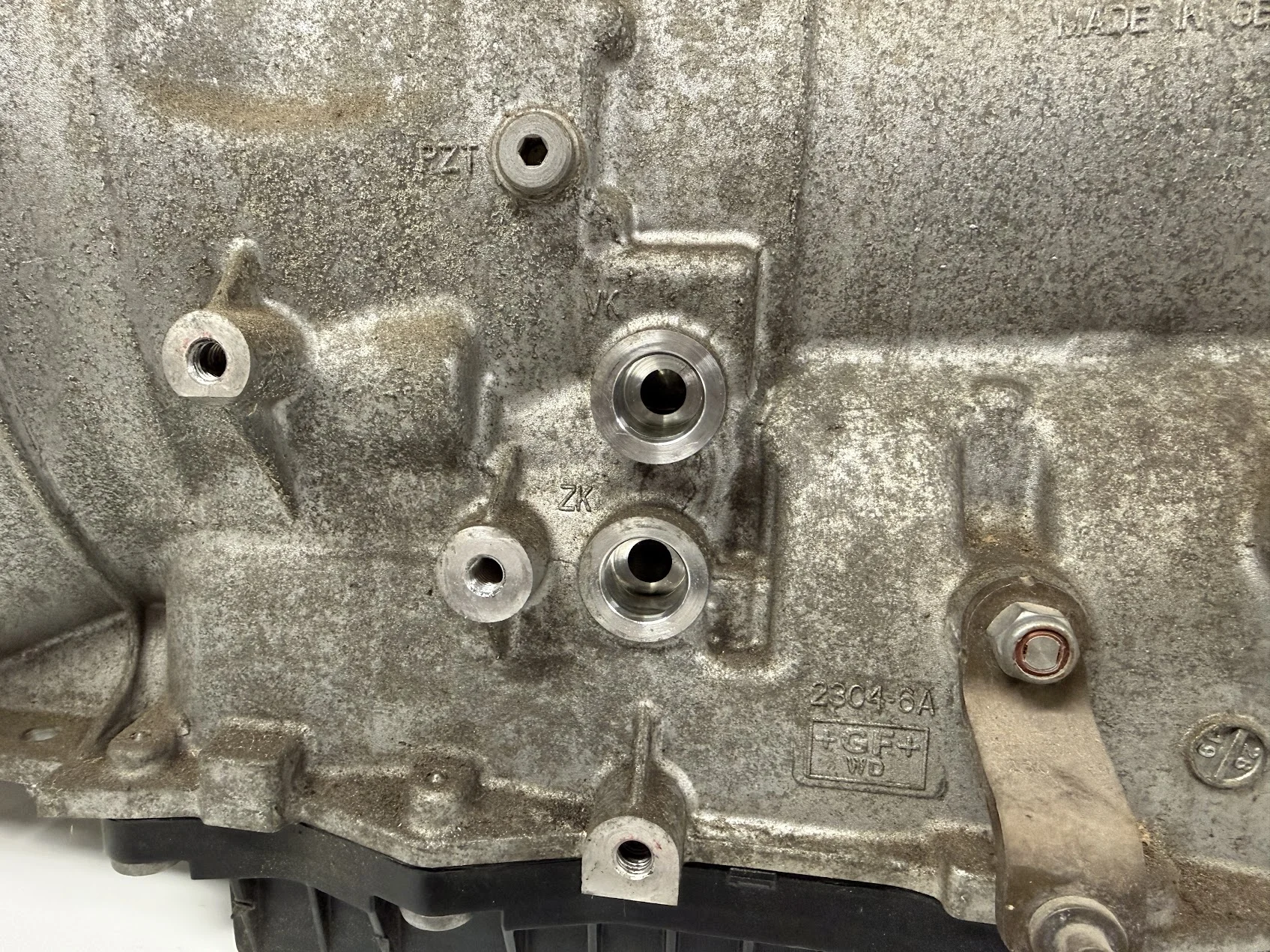
This means we need to tap the cooler ports to the proper thread in order to run the OEM fittings. This step is fairly easy to do - BUT - and this is a big but, if you mess this up you'll have ruined the case and will need to get another transmission.
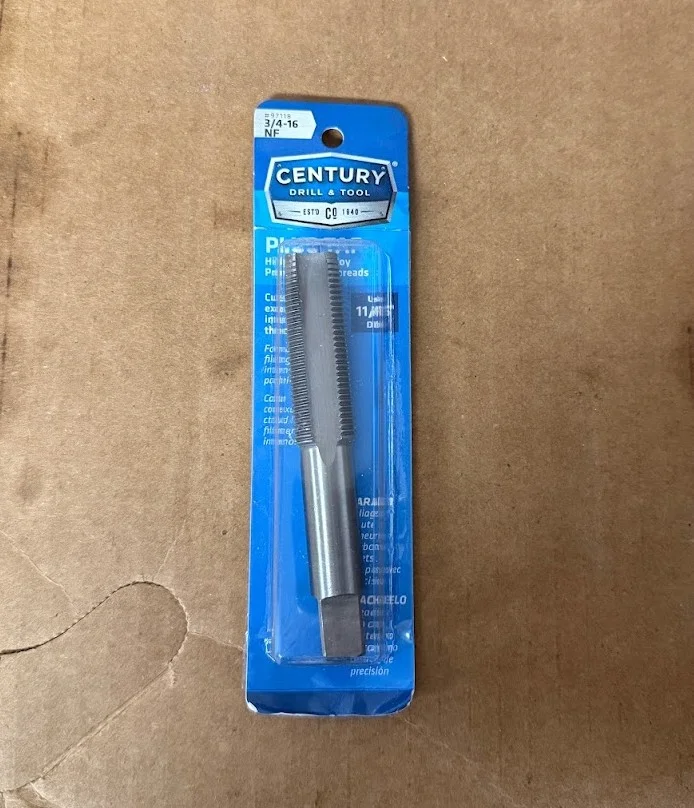
You will need a 3/4"-16 Tap. Note that this is not 3/4" NPT. Read this again if you need to - this is NOT AN NPT TAP!!! This is a good ol' fashioned 3/4" fine thread tap.
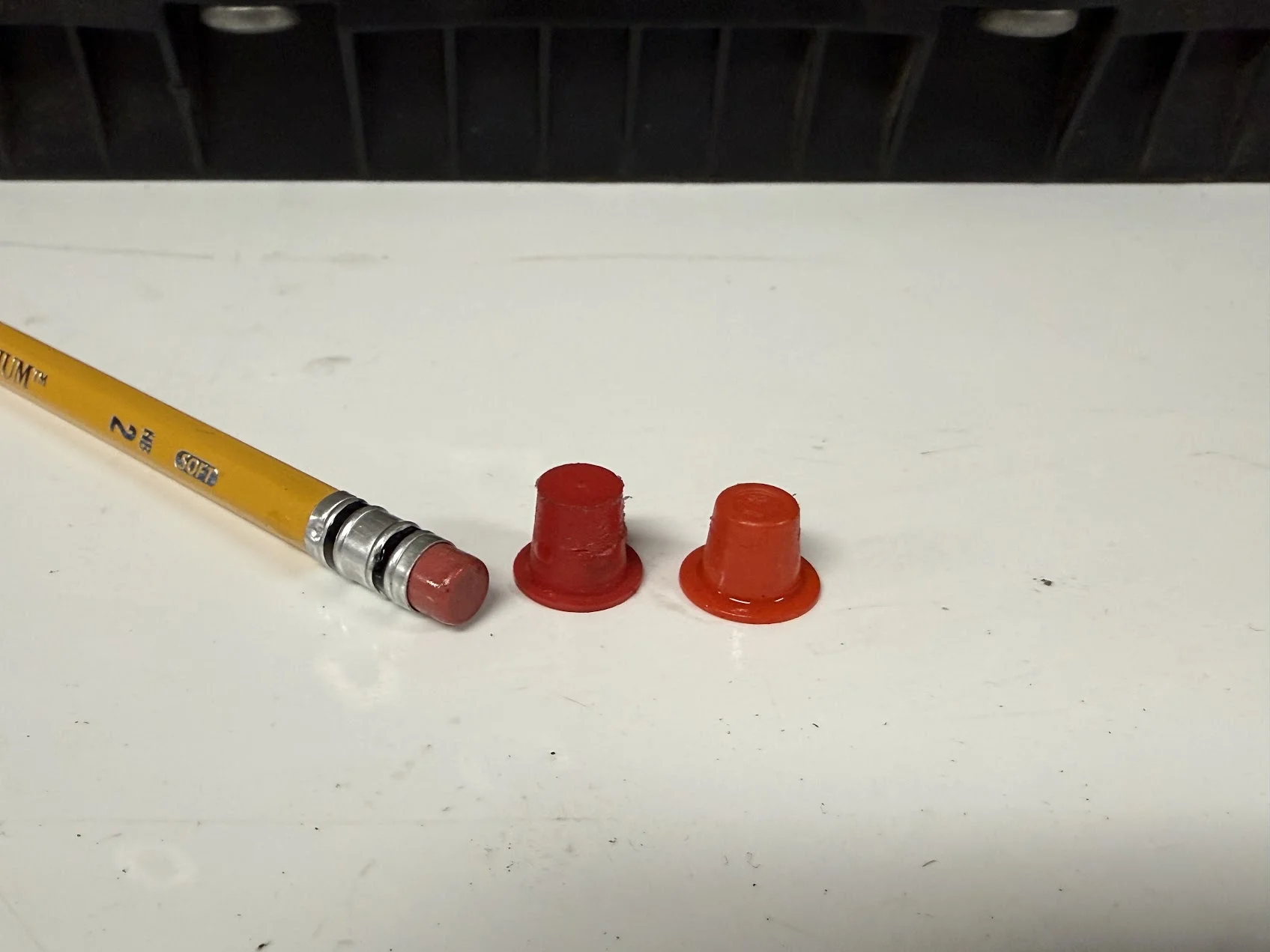
Since we don't have access to behind the transmission cooler ports, you'll need to plug the holes with some sort of material that will prevent aluminum shavings from falling inside the case. I found these little red plugs in my junk drawer. The made a nice tight seal and had a fairly stiff flange on them, which meant that they wouldn't "fall in".
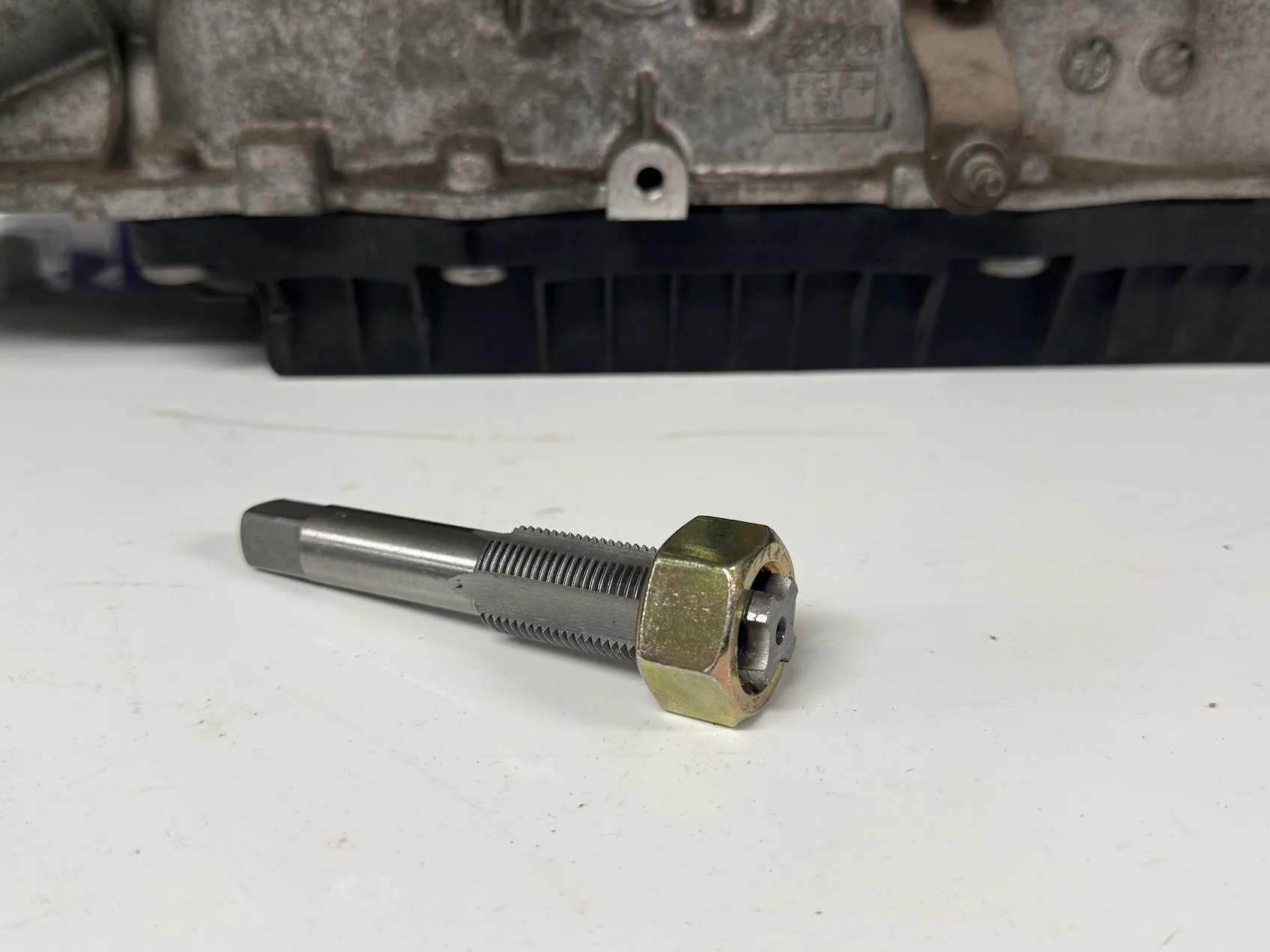
In my attempt to keep the tap as straight and true as possible, I used a nut of the same thread size and pitch to act as sort of a "bearing" in my support hand. This is not a requirement, but I'm stereo blind, so I am able to keep things much straighter by touch than I am by sight. The process worked as I had hoped and the bit stayed true. Cutting the threads is easy as the aluminum is quite soft. Cut a little bit, back off, cut a little more, back off. Every few turns I completely removed the bit and cleaned the threads out. I used a Shop-Vac and a small 1/8" thick wooden down rod to get all the little bits out each time I removed and cleaned the tap.
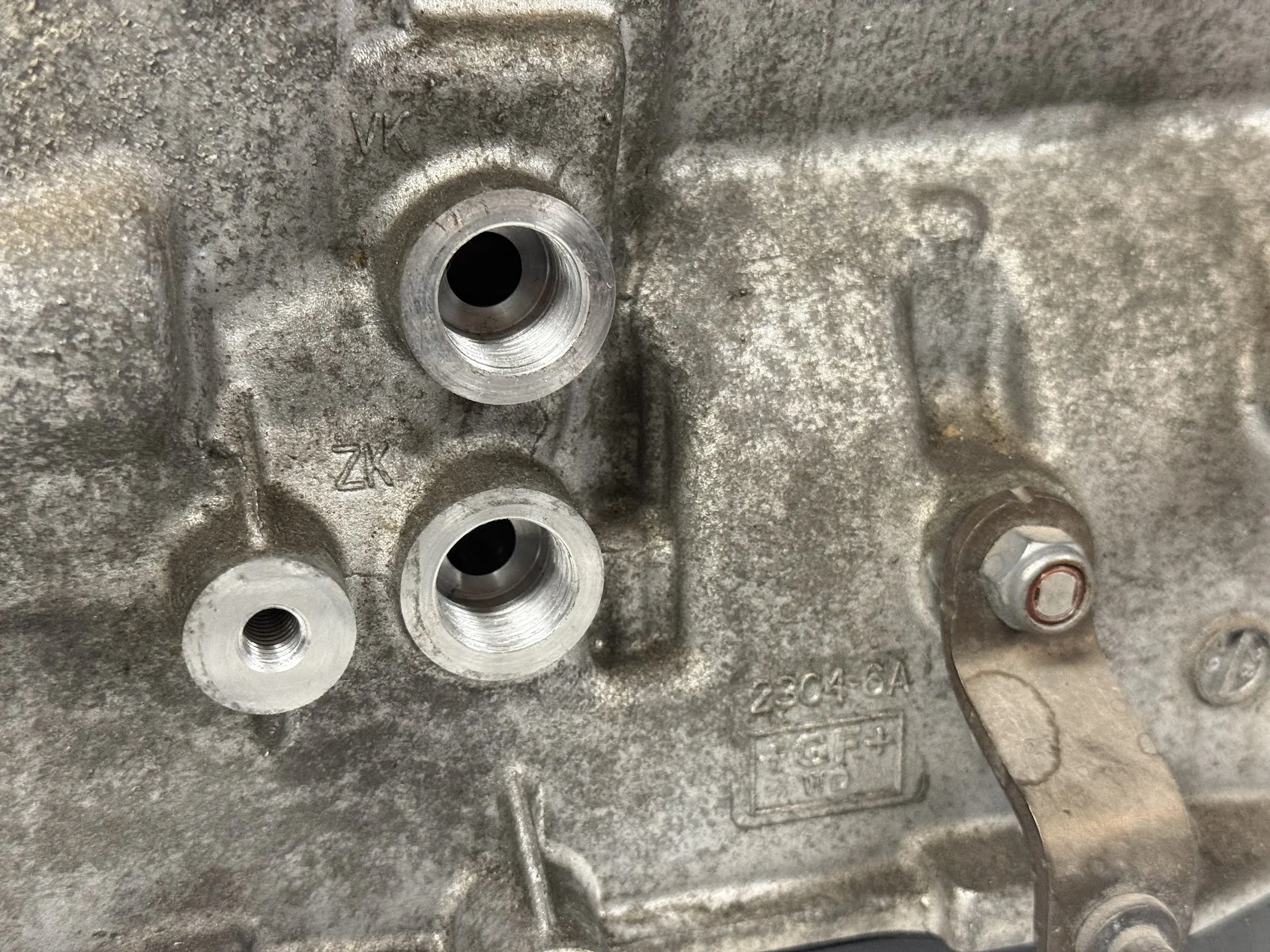
The threads came out straight and clean. I admit, this was the most nerve racking part of the entire swap so far.
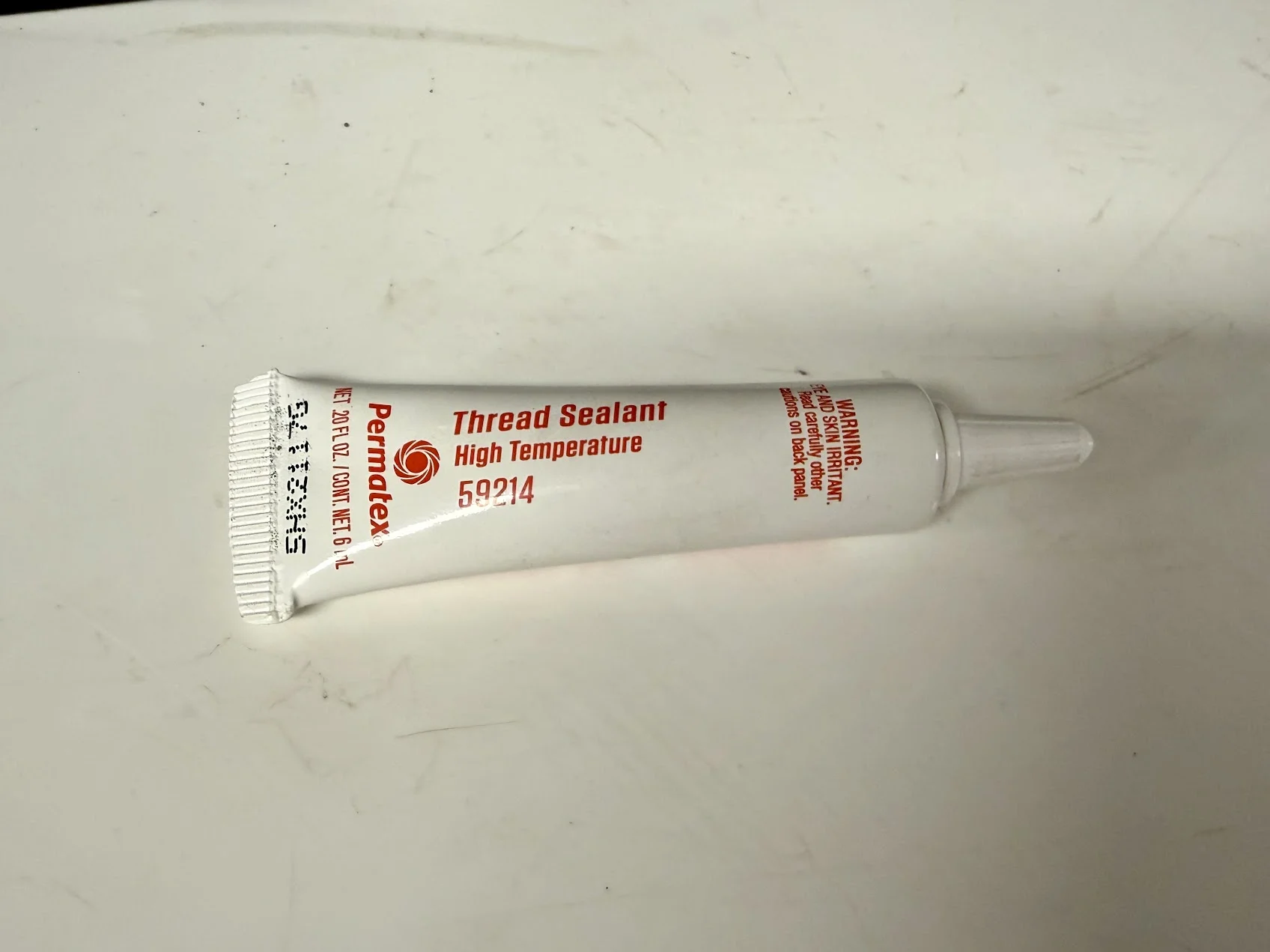
I used some Permatex High Temp Thread Sealer on the threads. Don't forget to remove the factory O-rings from the cooler fittings (what I did on one of them). Be mindful here, you're tightening small aluminum fittings into a soft aluminum case - you DO NOT NEED TO CRANK THESE DOWN!!
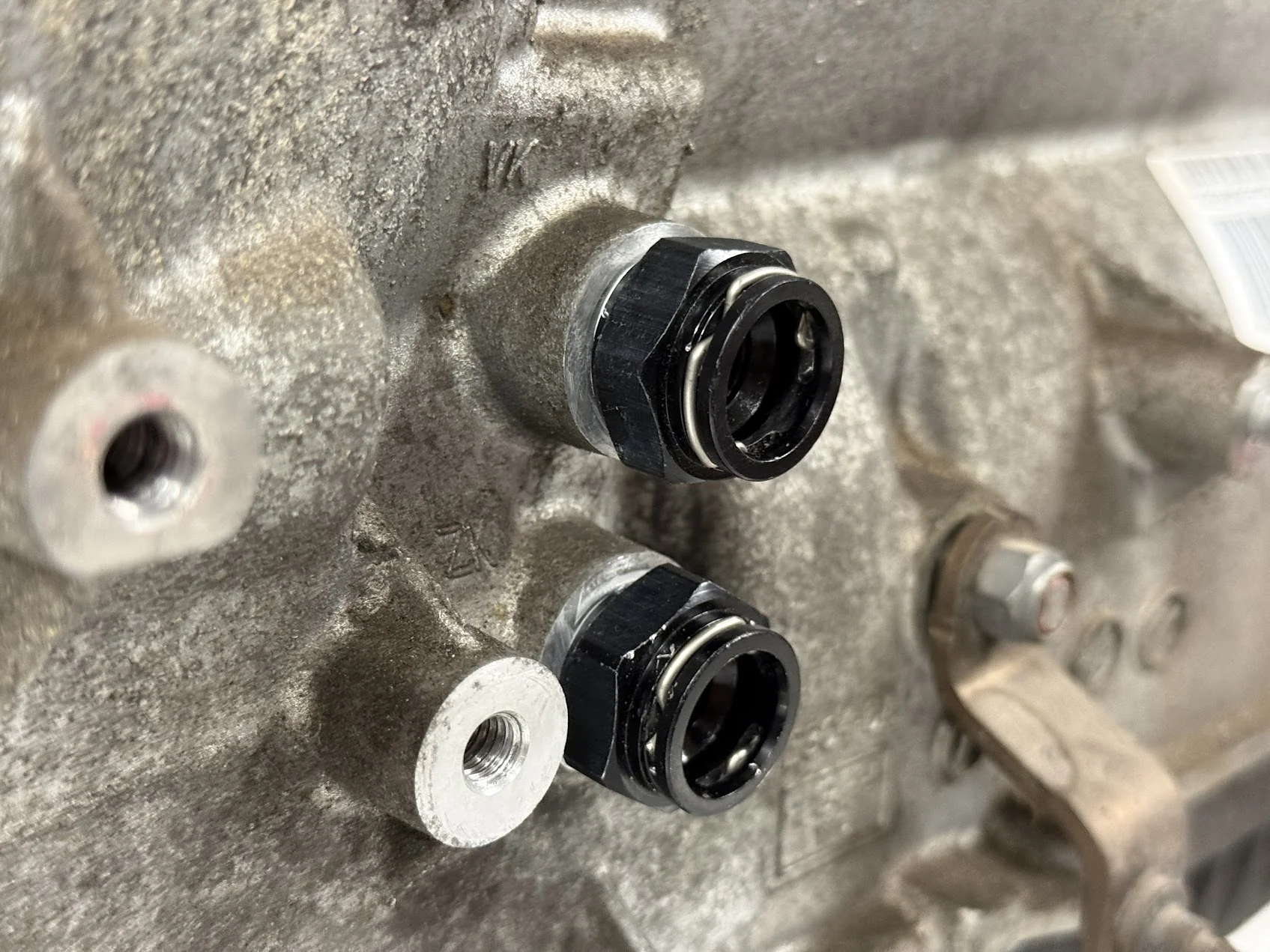
I hand tightened each fitting. I then used a 1" box-end wrench to put only a small - and I mean VERY SMALL - amount of pressure on them to completely close the gap between the fitting and case:
Todd has a quick video explanation here of the process as well:
"Adventures of Sarge" has some good Facebook videos too. Here's the one of him talking about the fittings:
Next up: pulling the TCM so I can send it off to JSS for reprogramming...
The ZF transmission can be found behind Ram trucks, as well as Jeep/Dodge SUVs and many cars. For Hemi swaps into a JK, most will use a Ram 4x4 transmission because they're typically more plentiful and cheaper, though a SUV-sourced ZF can be used. Note that if you use a SUV-sourced ZF trans, you'll need to change out the tail shaft housing, as your JKU t-case will not mount up or be clocked properly. You can see the differences below fairly easily:
[2017 Ram 5.7L 1500 4x4 ZF Transmission]
[2018 Durango 5.7L ZF 4x4 Transmission]
Another difference you may have noticed in the above photos is the presence of a large transmission fluid cooler bolted to the side of the Ram transmission, whereas the Durango transmission just has red plugs over the ports. More on this later...
As you start looking for viable swap candidates, you'll likely be happy to find that there are many ZF transmissions available. You may see a "transmission code" on the part description, especially if you're buying from a parts recycler like LKQ. The two codes you'll see are "OPT DFD" and "OPT DFK". There is no different between the DFD or DFK transmission codes. The codes from the build sheet are used to ensure that the ECM gets the proper calibration: DFK codes are used with 3.21 rear axle ratios, and DFD codes are used with 3.92 rear axle ratios. That's it - there are no differences with the transmission internals or externals - use whichever one you can find!
Here's a shot of my 8HP70, sourced from LKQ, taken from a 2019 Ram 1500 Classic. The tag showed "Grade A" and ~27,000 miles and it included the OEM torque converter. Total cost was $500...
You'll notice two red circles in the above photo. Inside those circles are two red caps. Those red dust caps are covering the factory transmission cooler line "quick type connectors" (Mopar Part# 68489743AA). You will not be using the Ram-style transmission cooler, but you'll need to remove these from the cooler and save them. Removed and cleaned off, they look like this:
The OEM Ram cooler is mounted to the ZF transmission with bolts and some rubber plugs. It's a clever design, though unfortunately does not work with the JK Hemi swap because it would get hit by the front driveshaft. As you can see below, the ports are smooth, meant to be used with the expanding rubber plugs between it and the Ram transmission cooler. Jeep and Dodge SUVs on the other hand come with ZF transmissions that are already tapped and use the same fittings as Ram cooler, but they are threaded into the transmission instead.
This means we need to tap the cooler ports to the proper thread in order to run the OEM fittings. This step is fairly easy to do - BUT - and this is a big but, if you mess this up you'll have ruined the case and will need to get another transmission.
You will need a 3/4"-16 Tap. Note that this is not 3/4" NPT. Read this again if you need to - this is NOT AN NPT TAP!!! This is a good ol' fashioned 3/4" fine thread tap.
Since we don't have access to behind the transmission cooler ports, you'll need to plug the holes with some sort of material that will prevent aluminum shavings from falling inside the case. I found these little red plugs in my junk drawer. The made a nice tight seal and had a fairly stiff flange on them, which meant that they wouldn't "fall in".
In my attempt to keep the tap as straight and true as possible, I used a nut of the same thread size and pitch to act as sort of a "bearing" in my support hand. This is not a requirement, but I'm stereo blind, so I am able to keep things much straighter by touch than I am by sight. The process worked as I had hoped and the bit stayed true. Cutting the threads is easy as the aluminum is quite soft. Cut a little bit, back off, cut a little more, back off. Every few turns I completely removed the bit and cleaned the threads out. I used a Shop-Vac and a small 1/8" thick wooden down rod to get all the little bits out each time I removed and cleaned the tap.
The threads came out straight and clean. I admit, this was the most nerve racking part of the entire swap so far.
I used some Permatex High Temp Thread Sealer on the threads. Don't forget to remove the factory O-rings from the cooler fittings (what I did on one of them). Be mindful here, you're tightening small aluminum fittings into a soft aluminum case - you DO NOT NEED TO CRANK THESE DOWN!!
I hand tightened each fitting. I then used a 1" box-end wrench to put only a small - and I mean VERY SMALL - amount of pressure on them to completely close the gap between the fitting and case:
Todd has a quick video explanation here of the process as well:
"Adventures of Sarge" has some good Facebook videos too. Here's the one of him talking about the fittings:
Next up: pulling the TCM so I can send it off to JSS for reprogramming...